See how the Lincoln, NE housing market has performed since June 2026, including prices, inventory, sales activity, new construction and buyer trends.
The Lincoln, Nebraska housing market has continued to show activity through the summer of 2026, but the market is becoming more balanced and more selective.
Since June, buyers have had more homes to choose from, while sellers are still benefiting from solid demand for well-priced properties. At the same time, higher mortgage rates and affordability concerns are influencing how quickly buyers make decisions.
The latest Great Plains Regional MLS data gives us a useful look at what changed from June to July. The data covers the Lincoln Area Region, including Lancaster and Seward counties and several surrounding ZIP codes.
For buyers and sellers in Lincoln, the takeaway is simple: this is not a market where every home sells instantly, but it is also far from a market without demand. Pricing, condition, location and presentation matter more than ever.
Lincoln Housing Market Activity at a Glance
The summer market has shown an interesting split between existing homes and new construction.
In July 2026, the Lincoln Area Region saw:
- 694 new listings of existing homes, down 3.2% from July 2025
- 364 pending sales of existing homes, down 12.3% year over year
- 385 closed sales of existing homes, down 10.9%
- $315,000 median closed price for existing homes, up 9.9%
- 735 existing homes available for sale, up 13.8%
- 2.2 months of supply for existing homes
- 129 new-construction listings, essentially flat year over year
- 65 closed new-construction sales, up 18.2%
- $440,080 median closed price for new construction, down 7.4% year over year
These numbers tell an important story: Lincoln buyers still have demand, but they have more choices than they did a year ago.
That additional inventory gives buyers more negotiating power while creating a greater need for sellers to price their homes correctly from the beginning.
What Changed in the Lincoln Market From June to July?
June was a particularly active month for closed sales.
For existing homes, Lincoln recorded 458 closed sales in June 2026, compared with 385 in July. June's median existing-home price was $310,550, increasing to $315,000 in July.
That doesn't necessarily mean the market weakened dramatically in July. Monthly numbers can fluctuate because of contract timing, seasonality and the mix of properties that close during a particular month.
One important point is that year-to-date activity remains positive.
Through July, existing-home closed sales totaled 2,470, up 4.4% from the same period in 2025. New-construction closed sales totaled 359, up 1.4% year to date.
In other words, while July's existing-home sales were lower than July 2025, the broader 2026 market has still produced more closed sales year to date.
Home Prices Are Still Moving Higher for Existing Homes
One of the most notable trends since June has been the strength of existing-home prices.
The median closed price for existing homes increased from $310,550 in June to $315,000 in July.
Compared with July 2025, the July 2026 median was up 9.9%. Year to date, the median closed price for existing homes was $298,250, up 3.7% compared with the same period last year.
This is an important distinction for homeowners.
Even though buyers may have more options, Lincoln home values have not suddenly dropped. Instead, the market appears to be separating properties that are priced appropriately and show well from those that may require more time or price adjustments.
That is why looking only at a citywide median price isn't enough when determining what an individual home is worth.
A three-bedroom home in Northeast Lincoln may behave very differently from a downtown condominium, a luxury property in South Lincoln or an older home that needs significant updating.
https://carieleyden.com/home-valuation
Inventory Is Giving Lincoln Buyers More Choices
Inventory is one of the biggest changes buyers should understand.
Existing-home inventory reached 735 homes in July 2026, compared with 646 in July 2025—a 13.8% increase. Months of supply increased from 1.9 to 2.2 months.
More inventory is generally positive for buyers because it means more opportunities to compare homes.
However, 2.2 months of supply still does not represent an extremely high-inventory market. Buyers may have more choices, but desirable homes can continue to attract attention quickly.
For sellers, this means competition matters.
If several comparable homes are available at the same price point, buyers are more likely to compare:
- Condition and updates
- Price
- Location
- Lot size
- Garage and storage
- Finished square footage
- Energy efficiency
- Outdoor living space
- Overall presentation
A home doesn't necessarily need to be perfect. But it needs to provide a compelling reason for a buyer to choose it over the other available options.
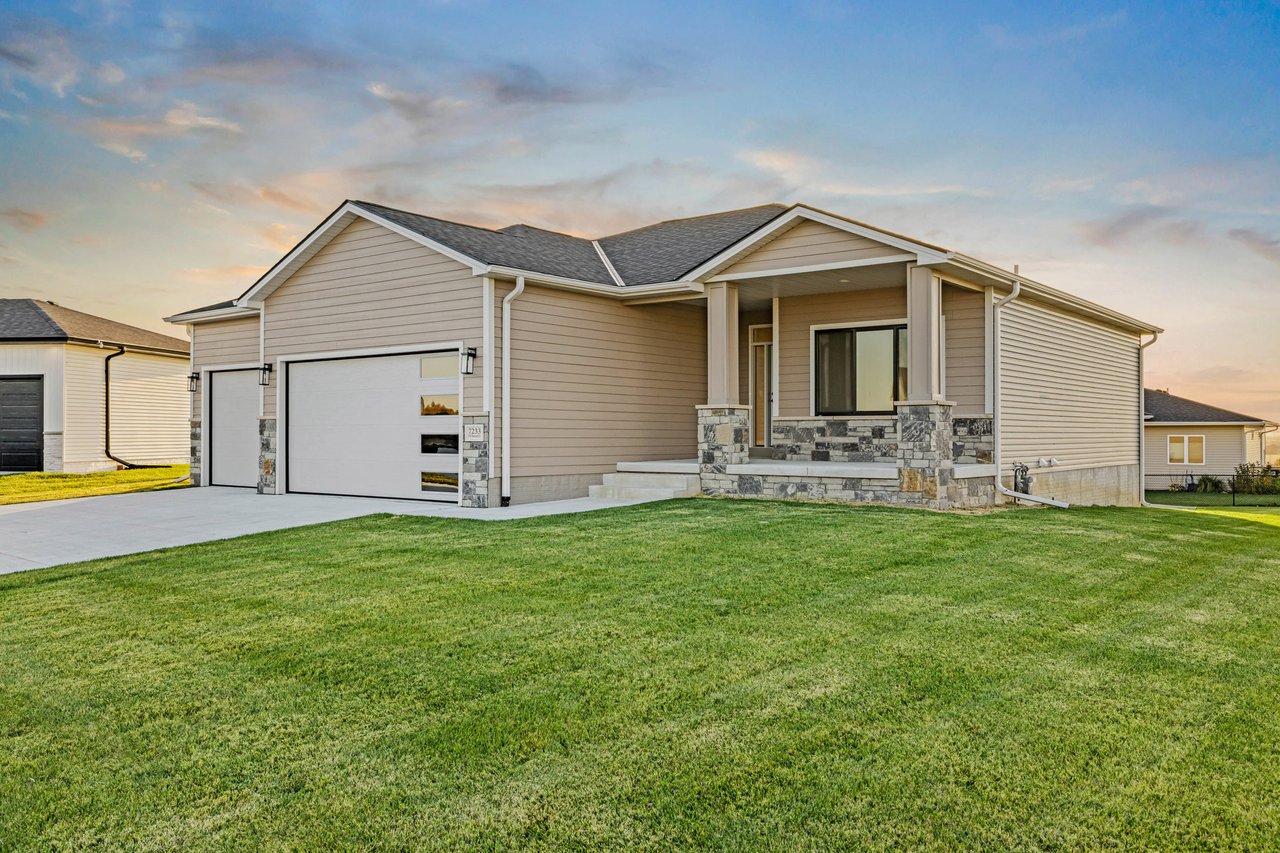
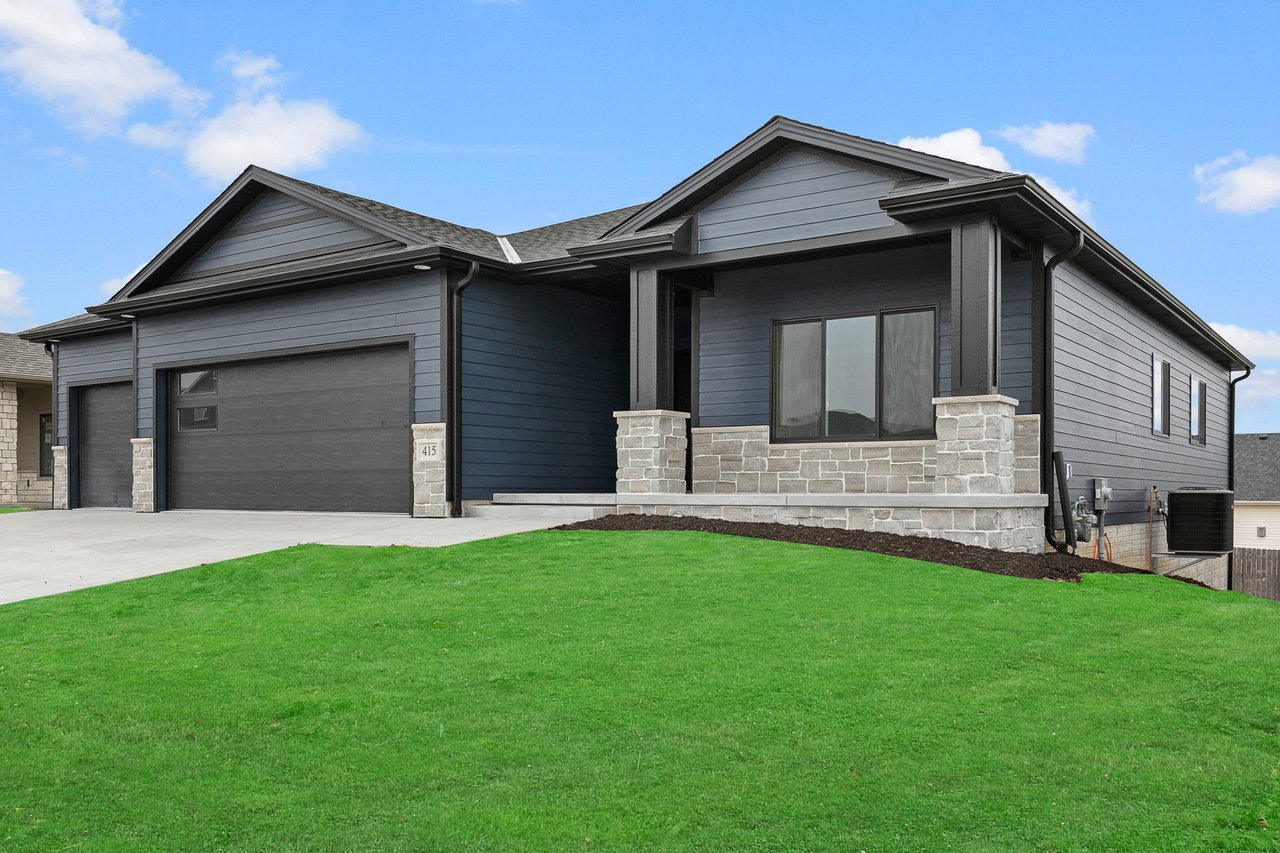
New Construction Is Telling a Different Story
New construction deserves special attention in the Lincoln market.
In July, 65 new-construction homes closed, an 18.2% increase from July 2025. Year-to-date, 359 new-construction homes have closed, compared with 354 during the same period last year.
At the same time, the median closed price for new construction was $440,080, down 7.4% from July 2025.
New-construction inventory increased to 351 homes, providing buyers with more choices. Months of supply remained at seven months.
For buyers, this can create opportunities.
Builders may be competing not only with resale homes but also with other builders. Depending on the property and builder, buyers may find incentives, upgraded finishes, financing opportunities or move-in-ready homes that make new construction more attractive.
This is particularly relevant for buyers comparing a newer home with an older property that requires repairs or significant updates.
INTERNAL LINK PLACEHOLDER: [Link to: Benefits of Buying New Construction in Lincoln, Nebraska]
Homes Are Not All Selling at the Same Speed
Another major trend is the difference between existing homes and new construction when it comes to time on market.
Existing homes averaged 13 days until sale in July, unchanged from July 2025. New construction averaged 54 days, compared with 29 days a year earlier.
That difference is significant.
It suggests that buyers shopping for resale homes may still need to move quickly when the right property appears, particularly in popular price ranges and desirable neighborhoods.
New construction, meanwhile, may give buyers more time to consider options, compare builders and evaluate incentives.
For sellers, the lesson is equally important: a home sitting on the market doesn't automatically mean the entire Lincoln market is slow.
It may indicate that the property is competing in a different segment of the market.
Mortgage Rates Continue to Influence Buyer Decisions
Mortgage rates remain an important part of the housing conversation.
Nationally, mortgage rates were still around the upper-6% range in August, putting pressure on monthly affordability. Recent national data also shows that elevated borrowing costs continue to weigh on housing demand.
For Lincoln buyers, the monthly payment can be just as important as the purchase price.
A buyer who qualified for a particular payment a few years ago may have a different purchasing range today.
This is one reason buyers should focus on their complete monthly housing cost, rather than simply asking, "How much house can I afford?"
That calculation should consider:
- Mortgage principal and interest
- Property taxes
- Homeowners insurance
- HOA fees, if applicable
- Maintenance and repairs
- Utilities
- Potential future changes in interest rates
What This Means for Lincoln Home Buyers
For buyers, the summer 2026 market may offer a better balance than the highly competitive markets of recent years.
More inventory means you may have more opportunities to compare properties. However, that doesn't mean you should wait indefinitely for prices to fall.
A smart buying strategy is to:
- Get fully pre-approved before shopping seriously.
- Understand your comfortable monthly payment.
- Identify your must-have features.
- Compare homes based on value—not just asking price.
- Pay attention to how long comparable homes are sitting.
- Be prepared to act when the right home appears.
- Consider both resale and new-construction opportunities.
The right strategy depends heavily on your neighborhood, price range and timeline.
What This Means for Lincoln Home Sellers
Sellers should pay close attention to the increased inventory.
The market is still active, but buyers have more alternatives. A home that is overpriced may sit while competing properties attract showings and offers.
An effective selling strategy should begin with a detailed analysis of comparable properties—not simply looking at what your neighbor listed their home for.
A strong listing strategy typically includes:
- Accurate pricing based on current comparable sales
- Professional-quality photography
- Strong online presentation
- Appropriate repairs and preparation
- Thoughtful staging
- A clear marketing plan
- Monitoring buyer feedback
- Adjusting quickly when market response indicates a change is needed
In today's Lincoln market, the first few weeks on the market matter.
Is Lincoln a Buyer's Market or Seller's Market?
The answer depends on the property.
Overall, Lincoln's market is becoming more balanced, but it is not uniform.
Existing homes had only 2.2 months of supply in July, while new construction had seven months of supply.
That means a buyer looking at a new-construction home may experience a very different market from someone searching for an updated resale home in a highly desirable neighborhood.
Price range also matters.
A properly priced home in a popular segment can still move quickly, while an overpriced property may require multiple weeks—or longer—to find the right buyer.
This is why broad statements such as "it's a buyer's market" or "it's a seller's market" can be misleading.
The better question is: What is happening in the specific segment where you are buying or selling?